
One of Korea’s most renowned hospitals committed to excellence in providing the highest quality, compassionate care and service to patients.
Cancer
Treatment
We Work with One of the Best Clinics Around the World


Was officially appointed as a medical evacuation hospital for the White House in 1996, in recognition of its medical expertise and dedication to a patient-centered culture.

Equipped with advanced medical infrastructures, including Proton Therapy, Gamma Knife Surgery, Robotic Surgery, Tomotherapy, MR-HIFU, Emergency Medical Helicopter, Smart ER, Hospital Information System (HIS), Clinical Pathology Automation System and Logistics Automation System.
Recent Clinic’s Achievements
March 2017
First in Korea to reach 500th kidney surgery with robotic partial laparoscopic excision.
December 2017
100,000th lung cancer surgery celebration
December 2018
10th anniversary of Cancer Education Center
March 2018
Ranked No. 1 among hospitals in the 2018 Korea Brand Star sponsored by The Korea Economic Daily and The JoongAng Ilbo. (15 consecutive years)
March 2019
Celebration of the 300th heart transplant
October 2019
Ranked No.1 in Korea Standards Association Service Quality Index (KS-SQI) for the 15th time
December 2020
Opened an AI-based demonstration lab for response to new infectious diseases
December 2020
Ranked 1st in the general hospital category - Korea Management Association’s (12 times in total)
November 2020
Hits the 15,000 Mark in Gamma Knife Radiosurgeries (first in Korea)
March 2020
Ranked 2nd in Korea and 42nd in the world on by Newsweek
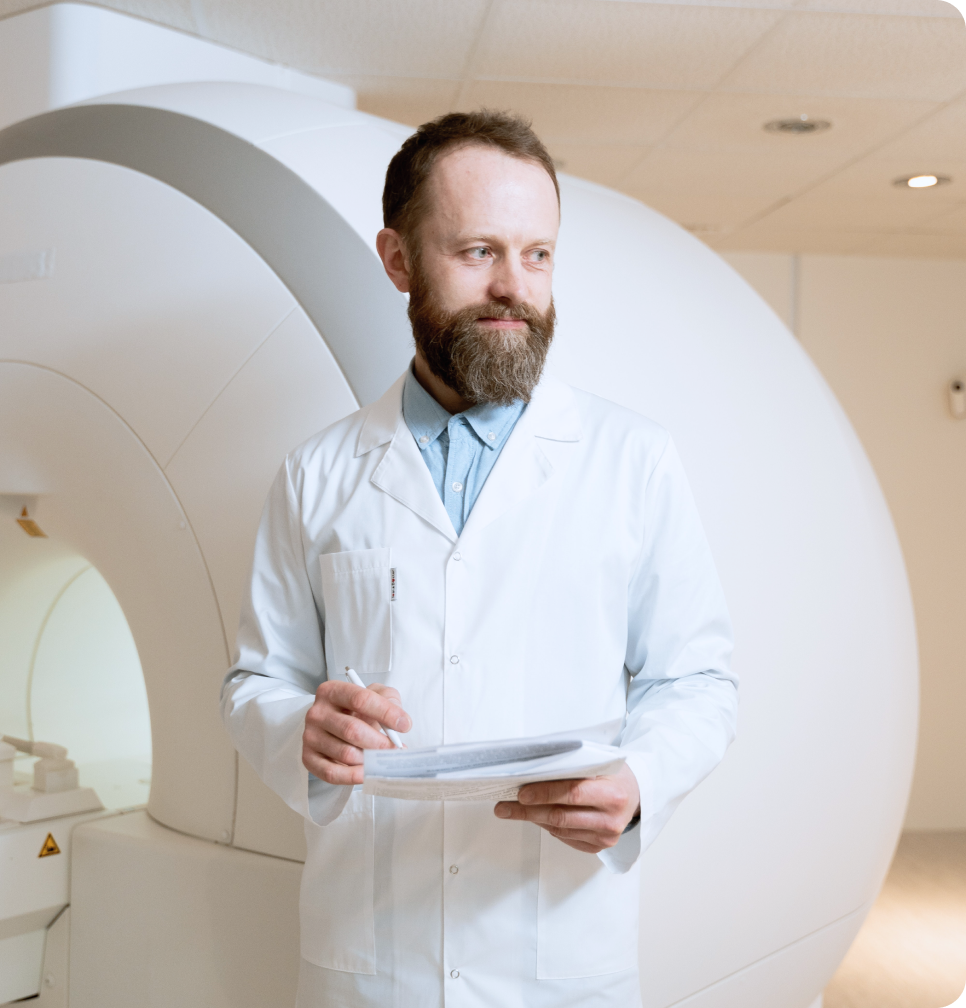
Cancer Treatment with Proton Therapy
Proton Therapy is the treatment method that destroys cancer cells by using an accelerated high energy proton which is the nucleus of a hydrogen atom. The accelerated proton beam passes through body tissues and transfers most of their energy to cancer tissues and subsequently stops to minimize unnecessary radiation exposure to normal tissues.
Types of cancer can be treated with proton therapy:
- Lung
- Liver
- Brain tumor
- Head & neck
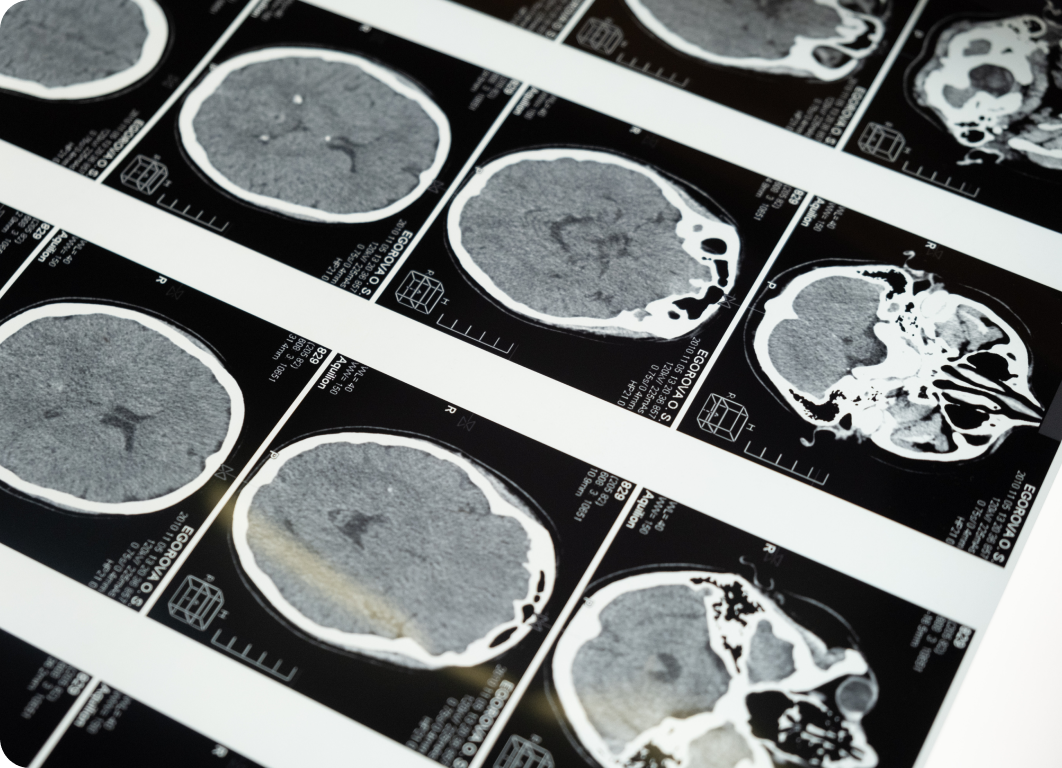
Brain Tumor Center
Latest treatment methods:
- Intraoperative navigation systems
- Neuro-endoscopic surgery
- Mobile computed tomography (CT)
- Brain tumor fluorescent staining (5-aminolevulinic acid)
- Intraoperative neurophysiologic monitoring
- Intensity-modulated radiotherapy (IMRT), Image-guided radiation therapy (IGRT), and Gamma Knife radiosurgery

Breast Cancer Center
Latest treatment methods:
- Oncoplastic breast surgery
- Personalized treatment (cancer scan, AVATAR mouse)
- Sentinel lymph node biopsy (radioisostope, biopigment, fluorescent dye)
- Application of state-of-the-art chemotherapy and other anti-cancer therapies (targeted therapy Herceptin)
- Multinational clinical trials

Colorectal Cancer Center
Latest treatment methods:
- Minimally invasive surgery (conventional, single-port, Robotic surgery)
- Therapeutic endoscopy for early-stage colorectal cancer
- Chemotherapies using advanced agents
- Innovative radiotherapies
- Tailored targeted therapies

Gastric Cancer Center
Latest treatment methods:
Surgery is the most fundamental treatment and performed in the form of laparotomy, laparoscopic surgery, and robotic surgery. Endoscopic submucosal dissection is well recognized as a standard treatment for precancerous lesions like gastric adenoma and early-stage stomach cancer whose lesions are small and well differentiated.
Surgery is the most fundamental treatment and performed in the form of laparotomy, laparoscopic surgery, and robotic surgery. Endoscopic submucosal dissection is well recognized as a standard treatment for precancerous lesions like gastric adenoma and early-stage stomach cancer whose lesions are small and well differentiated.

Genitourinary Cancer Center
Latest treatment methods:
- Minimally invasive surgical therapy (laser, single port, laparoscopic, robotic laparoscopic surgery)
- Radiation therapy technology (innovative radiotherapy techniques), proton therapy
- Use of non-surgical methods such as high-intensity focused ultrasound (HIFU)
- Radiofrequency thermal ablation
- Targeted therapies
- Advanced chemotherapy agents
- Hereditary clinic (Von Hippel-Lindau disease (VHL)

Gynecologic Cancer Center
Treatment System
The Gynecologic Cancer Center offers one-day outpatient services for cancer patients to reduce time from diagnosis to treatment.
It includes radiological and endoscopic diagnostic procedures, and the operation schedule can be made on the day of visit when the treatment procedure has been determined during the first medical examination. For young cancer patients, there is provided fertility sparing treatment option and consultation to infertility clinic.
Head and Neck Cancer Center
Surgery
Latest treatment methods:
- Minimally invasive surgery using laser, endoscopy, and robotic equipment
- Partial excision to optimize preservation of function and quality of life
- Concomitant reconstructive plastic surgery using free flaps
- Precise excision and reconstruction using 3D printing technology
- Treatment of lymphatic metastases through sentinel lymph node biopsy and excision
Radiotherapy
Latest treatment methods:
- Minimally invasive surgery using laser, endoscopy, and robotic equipment
- Partial excision to optimize preservation of function and quality of life
- Concomitant reconstructive plastic surgery using free flaps
Chemotherapy and Targeted Therapy
Latest treatment methods:
- Minimally invasive surgery using laser, endoscopy, and robotic equipment
- Partial excision to optimize preservation of function and quality of life
- Concomitant reconstructive plastic surgery using free flaps

Pediatric Cancer (patients up to 18 years old)
Latest treatment methods:
- Hematopoietic Stem Cell Transplantation:
- Allogeneic
- Autologous
- Chemo Therapy
- Targeted Therapy
- Proton Therapy
- Radiation Therapy
- Surgery

Liver Cancer Center
Latest treatment methods
Along with hepatectomy, liver transplantation, radiofrequency thermal ablation, chemoembolization of the hepatic artery, chemotherapy (targeted therapy), radiosurgery, and radiation therapy, the Liver Cancer Center has now begun to offer liver cancer cryotherapy.
Lung and Esophageal Cancer Center
Latest treatment methods
Interventional bronchoscopy, surgery, chemotherapy, radiotherapy (3-dimensional conformal radiotherapy; 3DCRT), intensity modulated radiotherapy (IMRT) tomotherapy, body stereotactic radiotherapy (SBRT), proton therapy).

Pancreatobiliary Cancer Center
Latest treatment methods
Treats cancer through surgery, chemotherapy, targeted therapy, radiotherapy, and endoscopic therapy.
For the treatment of pancreatobiliary diseases, has exceptional personnel, skills, and equipment to improve the welfare of patients not only when curing cancer through surgical intervention, but also when administering palliative treatment to improve patients’ symptoms and quality of life.
Provides safe, effective treatment through minimally invasive surgery, customized drug therapy, world-class radiotherapy, retrograde cholangiopancreatography as well as excellent drainage procedures using endoscopic ultrasonography.

Uncommon Cancer Center
Latest treatment methods
The primary treatment for NETs is radical resection. Depending on individual conditions, it is combined with targeted therapies and chemotherapies using octreotide, lanreotide, pasireotide, interfereon-α, everolimus, and sunitinib. In case of liver metastasis, transcathter arterial chemoembolization or radiation therapies may be considered. Recently, the latest drugs are also adopted to treat NETs as part of clinical trials.